Introduction: The Difference Between Showing a Design and Introducing a Character
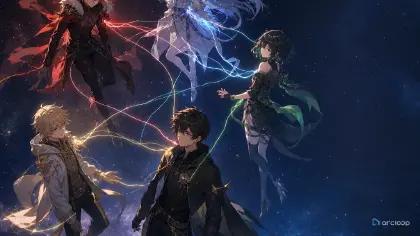
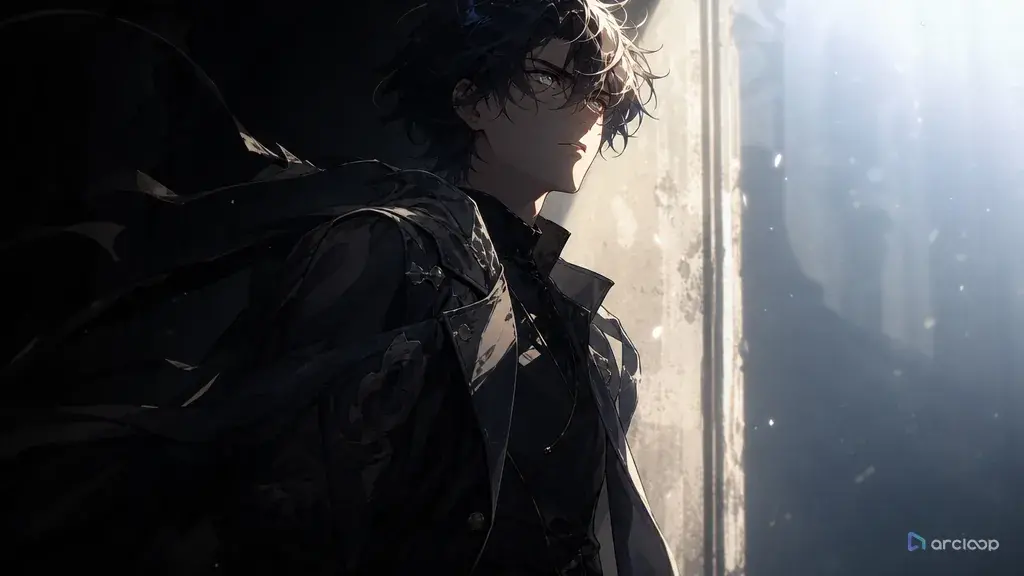
The first appearance looks attractive, but it says nothing. The OC steps into frame, hair moves, coat flutters, particles glow, and the clip ends like a profile card. Viewers can describe the outfit, but they cannot tell whether this person is dangerous, kind, funny, secretive, late, guilty, or about to change the scene.
That is the usual first appearance failure. A character introduction is not just the first time the design appears. It is the first time the audience learns how the character changes the room. A strong entrance gives the viewer three things: a silhouette they remember, an action that reveals behavior, and a reaction from the world or another person.
This guide shows how to write AI anime prompts for first appearances that feel like story moments. It covers silhouette entrances, reveal objects, reaction beats, identity anchors, camera choices, and three copy-ready examples. Start from character profile fields when the identity is not locked yet, then build the entrance shot inside ArcLoop Worlds.
Core Principles for First Appearance Prompts
The first principle is silhouette before detail. The viewer should understand the character shape before noticing the buttons. A cape, umbrella, toolbox, blade case, instrument bag, or oversized sleeves can make the entrance readable from a distance.
The second principle is behavior on arrival. Do they apologize, ignore everyone, fix a broken machine, steal the best seat, avoid eye contact, save a falling cup, or close the door before speaking? Behavior introduces character faster than biography.
The third principle is a reveal object. A first appearance often works when one object carries meaning: a cracked badge, sealed envelope, repaired toy, missing glove, forbidden key, broken sword, or stage microphone. The object gives the camera something to reveal.
The fourth principle is world reaction. The room should respond. Conversation stops, lanterns flicker, a robot bows, dust lifts, classmates whisper, rain blows inward, or an old sign turns on. If nothing changes, the entrance may feel decorative.
The fifth principle is final hold. End the shot on a pose or expression that says who the character is. A first appearance needs a clean final frame because that frame becomes the audience's mental thumbnail.
The sixth principle is restraint. Do not combine entrance, transformation, fight, confession, flashback, and costume reveal in one short clip. Pick one character-defining beat and let it land.
Step-by-Step First Appearance Prompt Structure
Start with what the audience should learn. Write one sentence: "The viewer should understand that Jun hides fear behind perfect manners" or "The viewer should understand that Kelda treats danger like a repair problem."
Define the entrance location. A classroom doorway, train roof, backstage hallway, flooded shrine step, repair elevator, or tournament gate all create different social pressure. The location should make the entrance harder or more revealing.
Describe the silhouette and anchors. Name hairstyle, outfit shape, color block, prop, and posture. Do not overload the first shot with every design detail from the character sheet.
Write the action in beats. Good first appearances often use three beats: silhouette appears, object or face is revealed, the character does one behavior-defining action.
Set the camera. Use wide shot for entrances through space, low angle for imposing reveals, medium shot for social arrival, close-up for object reveals, or over-the-shoulder when another character's reaction matters.
Add world or cast reaction. Even one small reaction can sell the entrance: a side character grips a cup, a bell stops ringing, a catwalk light turns, or a crowd falls quiet.
End with constraints. Useful constraints include preserve identity anchors, no random extra cast, no text, no copied symbols, no sudden costume change, no camera cutting before the reveal, no hidden hands, and no photorealism.
What the Entrance Shot Needs From the Character Asset
A first appearance depends on a few things agreeing with each other. The character asset's description explains the behavior; its main and reference images protect the identity. The shot card in the episode's storyboard decides the reveal beat and, inside its shot description, when the viewer sees the face or object. Later scenes stay consistent simply because they @ the same asset instead of re-describing the character from scratch.
Start with the character asset if the design is still soft. Use OC character sheet front turnaround to lock the silhouette, outfit, prop, and face as reference images. Then write the first-appearance shot in ArcLoop Worlds: location, entrance path, reveal object, camera move, and the final frame the next shot needs to match.
Review drafts in a practical order. First, ask whether the viewer can recognize the character. Second, ask whether the entrance reveals behavior. Third, ask whether the final frame is clean enough to connect to the next shot. If the design works but the behavior is bland, do not redesign the outfit. Change the action. If the action works but identity drifts, repair the sheet reference. For general shot writing, pair this with How to Write 2D Anime Animation Prompts.
Example Prompt 1: First Appearance in a Clock Tower Classroom
Create a 7-second 2D anime first appearance scene inside a clock tower classroom at golden hour. Character: Elian, an original transfer student with ash-brown hair tied low, pale green eyes, a long charcoal school coat, polished black gloves, and a cracked pocket watch on a chain. Audience lesson: Elian is polite but carrying a dangerous secret. Beat 1: the classroom door opens and his tall silhouette appears against warm hallway light. Beat 2: he steps in, closes the door softly with one gloved hand, and the ticking clocks on the walls fall out of sync. Beat 3: close enough medium shot as he bows, the cracked pocket watch visible near his chest. Camera: starts as a wide classroom view from behind seated students, then makes one slow push-in; no cut before the bow. World reaction: two students stop whispering, chalk dust hangs still in the light. Clean cel-shaded anime style, warm brass tones, readable final hold. Preserve coat, gloves, pocket watch, and calm expression. No text, no random symbols, no costume change, no extra dramatic explosion.
This entrance teaches the viewer how Elian affects the room. The pocket watch and clock reaction carry the mystery without a lore dump.
Example Prompt 2: First Appearance on a Repair Elevator
Generate a 6-second 2D anime character introduction in a vertical mecha repair shaft. Character: Nira, an original field mechanic with short coral hair, square blue visor, sleeveless olive jumpsuit, heavy utility belt, and one oversized orange wrench. Audience lesson: Nira solves danger before anyone finishes panicking. Camera: low angle from the elevator floor, full-body visible as the repair elevator drops into frame from above. Beat 1: sparks rain from a broken cable. Beat 2: Nira lands in a crouch on the elevator railing, wrench balanced across her shoulders. Beat 3: without looking worried, she reaches up and tightens one bolt; the alarm light changes from red to steady green. Supporting motion: visor reflection flashes, tool belt swings once, steam vents sideways. Use crisp industrial anime line art and cool metal shadows. Keep hands visible and wrench shape consistent. No extra workers, no text labels, no camera spin, no photorealism, no sudden weapon redesign.
The action introduces competence. Nira does not need to announce that she is capable; the entrance proves it.
Example Prompt 3: First Appearance at a Festival Backstage Curtain
Create an 8-second 2D anime first appearance shot backstage at a seaside summer puppet festival. Character: Saye, an original puppeteer with long navy hair, white ribbon sleeves, dark teal stage hakama, bare feet with ankle bells, and a small wooden bird puppet. Audience lesson: Saye is gentle in manner but controls the stage with precision. Camera: medium over-the-shoulder from behind a nervous child performer looking toward the closed curtain. Beat 1: the curtain edge moves and Saye's bird puppet appears first, tilting its head. Beat 2: Saye steps from shadow into lantern light, one hand raised with thin puppet strings visible. Beat 3: she smiles at the child and the noisy backstage crew becomes quiet. Final frame: Saye framed beside the curtain, bird puppet perched near her shoulder, bells still. Style: elegant 2D anime with warm lantern light, painted cloth texture, and delicate hand poses. No text, no extra fingers, no random audience crowd, no copied mask design, no sudden close-up.
This prompt reveals the character through an object and another person's reaction. The first appearance becomes a scene, not a costume showcase.
Common First Appearance Mistakes
The most common mistake is making the entrance a fashion turntable. Full-body art is useful, but an introduction needs behavior. Add an action that shows temperament.
Another mistake is revealing everything at once. If the face, weapon, power, backstory, ally, enemy, and transformation all arrive in the same shot, none of them lands. Save later reveals for later scenes.
Creators also forget the room's reaction. A first appearance feels flat when nobody or nothing changes. Even a small environmental response can make the character feel important.
A fourth mistake is choosing the wrong camera size. A dramatic doorway entrance often needs a wide or medium shot. A secret object reveal may need an insert or medium close-up. Do not crop away the thing that proves the character's role.
Finally, do not rewrite a finished character design to fix a weak entrance. If the sheet is good, change the staging: entrance path, prop reveal, reaction, camera, or final hold.
FAQ
What should a first appearance prompt include?
Include the audience lesson, location, silhouette, identity anchors, entrance beats, reveal object, camera, world reaction, final frame, and constraints. Keep the focus on one character-defining moment.
Should I introduce a character with dialogue?
Dialogue can work, but it is not required. A behavior, prop, or reaction often introduces the character more cleanly. If dialogue is needed, the character asset's voice carries into the line, and you generate the voiceover from the Edit timeline once the shot itself is locked.
How do I make the first appearance memorable?
Give the character one visual anchor and one behavior that changes the scene. A cracked watch that stops clocks, a wrench that fixes danger, or a puppet that quiets a room is easier to remember than a list of outfit details.
How do I plan a character introduction step by step?
Build the character as a character asset first — description, main image, reference images, voice — then write the entrance as a shot in the episode's storyboard that references that asset with @. Because later scenes @ the same asset, the introduction and everything that follows stay visibly connected.
When should I use a character sheet before the first appearance?
Use a sheet first when the design needs to stay consistent across multiple shots. The first appearance prompt should then focus on staging and behavior instead of trying to invent the whole design again.