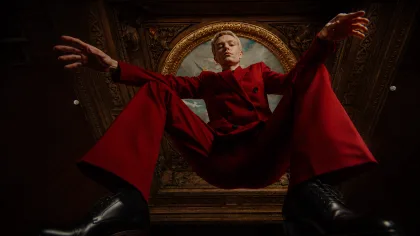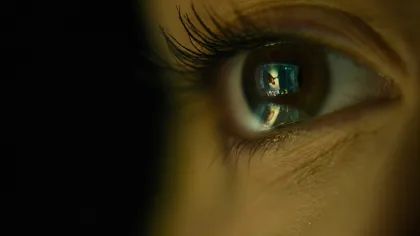


Introduction: Why Subtle Expression Prompts Overact
You ask for a character who is "quietly disappointed," and the output gives you a crying face with trembling shoulders. You try "small smile," and the next take becomes a cheerful reaction shot. The scene was supposed to be the half-second when someone pretends the birthday party did not matter. Instead, the face jumps from blank to melodrama.
Subtle expression is hard because the visible change is small but the intent is precise. A raised brow, held breath, delayed blink, jaw tension, or smile that almost appears can carry more story than a dramatic pose. If the prompt only names the emotion, the model has to guess how that emotion should appear on the face, in the body, and in the timing of the shot.
This guide explains how to prompt subtle anime expressions for character sheets, close-up shots, reaction beats, short drama clips, and continuity revisions. Use OC Expression Consistency Sheet when you need stable facial references, or bind those reference images to the character's asset in ArcLoop Worlds when the same character needs different expressions across several scenes.
Core Principles for Subtle Expression
Subtle expression needs a cause. "A sad face" is weak direction. "She hears the cafeteria chair scrape behind her and realizes her old friend chose another table" gives the face a reason to change.
Separate the emotion from the mask. Many anime characters hide what they feel. Prompt both layers: what the character feels internally and what they allow the viewer to see. "Hurt, but trying to stay polite" creates a different face from "hurt and asking for comfort."
Use micro-actions instead of emotion stacks. A small expression can be built from one blink, a breath caught in the throat, lips pressing together, eyes shifting away, or fingers tightening around a cup. Too many signals at once stop feeling subtle.
Control timing. Subtlety often lives in delay. The character hears the line, holds still for a beat, looks down, then smiles too late. Without timing, the output may show the final expression immediately and lose the emotional bridge.
Protect the character design. Close-ups make identity drift obvious. Repeat the anchors that define the face: eye shape, hairline, glasses, mole, scar, earrings, or makeup pattern. The expression should change; the person should not.
Keep the camera honest. A very wide shot cannot sell a twitch of the mouth. A close-up can. If the expression is the point, frame the shot so the face, shoulders, and hands have enough screen space to act.
Step-by-Step Subtle Expression Prompt Structure
Start with the character and the mask. Define who they are and how they usually behave. Example: "Lena is a disciplined student council treasurer who answers conflict with politeness, not anger."
Name the trigger. Write the exact thing that causes the expression: a message read off screen, an empty seat, a broken charm, a compliment that lands too late, or a rival using an old nickname.
Describe the internal emotion in plain words. Keep it focused: disappointment, relief, jealousy, suspicion, embarrassment, regret, pride, or restrained affection. If the feeling changes, describe the shift in order.
Translate the emotion into visible facial details. Use two or three cues: lowered gaze, tight jaw, softened eyes, tiny swallow, half-smile, uneven breath, brow tension, or a blink that lasts slightly too long.
Add body and prop support. Hands often sell subtle expression better than the mouth. A character may smooth a sleeve, stop stirring tea, hide a letter, or grip a railing while keeping the face composed.
Set camera and duration. For a three-to-eight-second shot, specify close-up, medium close-up, profile close-up, or over-the-shoulder reaction. Mention if the camera is locked, pushes in, or holds after the expression changes.
End with constraints. Use no exaggerated crying, no comedic face, no sudden smile, no face redesign, no warped eyes, no text, no watermark, and no dramatic camera shake when you need restraint.
Where the Expression Range Lives: My Assets, Then the Shot
Subtle expression gets easier once the expression choice sits next to the character asset instead of floating in a paragraph of prose. Bind a range of reference images — neutral, guarded, almost-crying — to the character in My Assets, then reference the right one for this beat when you write the shot. The goal is not to ask for "better emotion" after the render fails. The goal is to decide what the character is hiding before the shot is generated.
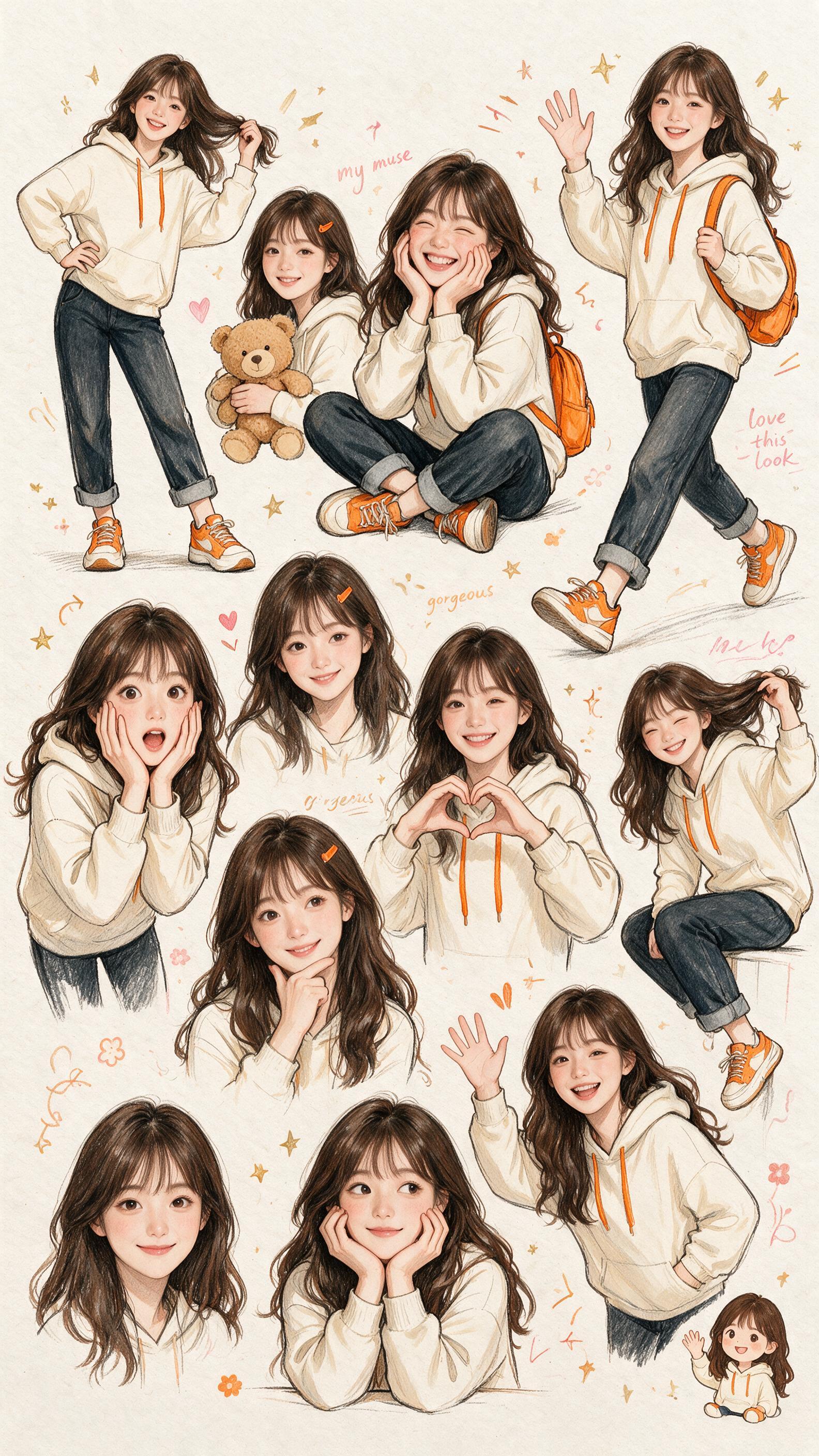
For recurring characters, create an expression sheet first: neutral, polite smile, guarded suspicion, private relief, and almost-crying restraint. Bind those images to the character's asset in My Assets as reference images — that's the range later shots draw from. Then write each scene prompt with a trigger and a timing note, and reference the character so the shot pulls the right face for this beat instead of reinventing one.
Use the review canvas to compare expression, identity, and story readability in that order. If the face is right but the hand action distracts, revise the hand action only. If the face drifts but the timing works, return to the expression sheet instead of adding a paragraph of adjectives. For a single close-up, Character Sheet Templates can start the identity pass; for a full scene, 2D Animation AI Templates gives you camera and motion scaffolding.
Example Prompt 1: Subtle Expression Reference Sheet
Create a character asset in My Assets for an original anime character named Lena Oris, with an expression reference range.

Character identity: 18-year-old student council treasurer, straight dark plum hair cut at the collarbone, narrow teal eyes, small gold hairpin, cream blazer, green ribbon tie, and a tidy leather ledger held against her chest. Personality: precise, polite, and easily wounded by public embarrassment, but she hides it behind formal manners.

Expression row: neutral meeting face, polite smile that does not reach the eyes, quiet disappointment, suspicious side glance, private relief after nobody is watching, and almost-crying restraint. Keep each expression subtle. Use small changes in eyelids, mouth corners, jaw tension, breath, and hand pressure on the ledger. Clean 2D anime character sheet, plain soft background, readable face details.

Constraints: no exaggerated tears, no chibi comedy face, no text labels inside the image, no new outfit, no copied uniform emblem, no extra fingers, no photorealism.
This prompt builds a reusable range of reference images. It sets clear facial boundaries on the character asset before any scene asks for a delicate reaction.
Example Prompt 2: Subtle Expression Reaction Shot
Use the approved Lena Oris expression sheet. Create a 6-second 2D anime reaction shot in an empty student council room after club signups close.

Scene trigger: Lena opens the ledger and sees that her closest classmate has crossed out their name without telling her. She wants to look professional because another student is still in the doorway, but the choice hurts. Camera: locked medium close-up from the front, face and hands visible, ledger edge in the lower frame.

Action timing: first two seconds, she reads the crossed-out line without moving. Middle beat, her fingers press into the ledger cover and her breath catches. Final two seconds, she lowers her gaze, forms a tiny polite smile too late, and says nothing. Expression: hurt hidden under formality, softened eyes, tense jaw, no open crying.

Keep her dark plum hair, teal eye shape, gold hairpin, cream blazer, green tie, and ledger consistent. No dramatic tears, no angry glare, no smile becoming cheerful, no text overlay, no camera shake.
The shot works because the expression has a social reason. Lena is not simply "sad"; she is hurt while being watched.
Example Prompt 3: Subtle Expression Revision Pass
Revise the selected Lena Oris shot. Preserve the approved room layout, locked medium close-up, student council ledger, outfit, hairpin, and six-second duration.

Problem in the current take: the face becomes too openly devastated. Change only the expression layer. Lena should still be hurt, but she is trained to stay polite in public. Replace the big reaction with a smaller sequence: delayed blink, lips press together, one careful inhale, gaze drops to the ledger corner, then a tiny formal smile appears half a second late.

Keep the hands visible on the ledger and let the fingers tighten once. Final frame should read as "I understand, but that hurt" without tears or dialogue. Clean 2D anime close-up, soft afternoon classroom light, restrained acting.

Reject if the new take changes her face shape, adds crying, turns the smile happy, hides the hands, or changes the ledger into a different object.
This revision is narrow. It does not rebuild the whole scene just because the first face overacted.
Common Mistakes in Subtle Expression Prompts
The biggest mistake is using one mood word and expecting nuance. "Bittersweet" can mean dozens of facial choices. Spell out the visible mask, the hidden feeling, and the trigger.
Another mistake is asking for contradictory expressions at full strength. "Smiling, crying, angry, shy, confident, and calm" gives no priority. Pick the main internal emotion and the social mask that covers it.
Creators also forget hands and posture. A close-up face with motionless hands can look artificial. A thumb rubbing a cup handle, a sleeve being smoothed, or fingers stopping over a page can make the emotion believable.
A fourth mistake is making every subtle beat a slow push-in. Camera movement can help, but it should not replace acting. Often a locked frame with one delayed blink is stronger.
Finally, do not treat subtle expression as lower effort than action. It needs the same production discipline: character sheet, trigger, timing, camera, review rule, and a clean rejection standard.
FAQ: Subtle Expression Prompt Questions
How many facial details should I include?
Two or three are usually enough. Choose the details that tell the story: lowered gaze plus tense jaw, or small smile plus delayed blink. More cues can make the face look busy instead of restrained.
Should I use a reference sheet for every character?
Use one when the character will return or when close-ups matter. Binding an expression range to the character asset keeps identity stable while giving you a controlled set of faces to reference for emotion changes.
How do I stop subtle emotion from becoming melodrama?
Prompt the mask, not just the feeling. Say what the character is trying to hide, who can see them, and which signals are allowed. Add clear constraints such as no tears, no shouting face, and no exaggerated mouth shape.
How do I keep expression continuity across a series?
Bind the expression range and the character voice to the same character asset in My Assets, and reference that one asset — with @ — in every shot across the series. Each new reaction then builds from the same approved face instead of the model inventing a new one.
Where should I start?
Start with OC Expression Consistency Sheet if the face is the main risk. If the expression belongs to a larger scene, open ArcLoop Worlds, build the character as an asset, and write the trigger, camera angle, and rejection rule directly into the shot description next to the @ reference.