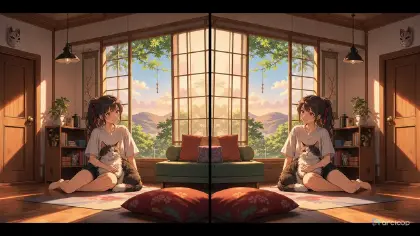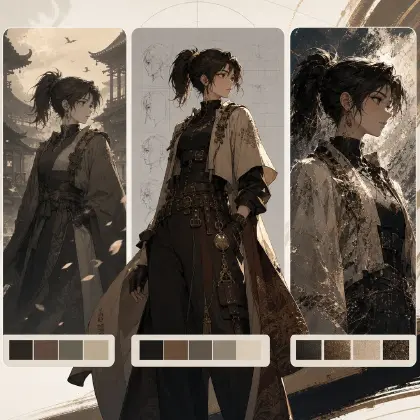


Introduction: Fan Interaction Content Without Losing the Character
Fan interaction content usually breaks in a very specific way. You post a character short, the comments ask what should happen next, and the winning idea is funny but completely bends the OC. The shy botanist suddenly becomes a loud villain. The careful monster hunter adopts a mascot for no reason. The next clip gets engagement, but your series feels like it has no spine.
Good fan interaction is not a blank suggestion box. It is a controlled invitation. You choose the boundary, the fans choose inside it, and the next asset still belongs to your canon. A poll can decide which door the character opens, not whether the character becomes a different person. A prompt box can collect monster designs, but the world rules decide which one can appear. A reaction asset can answer fan comments while preserving the face, voice, costume, and emotional habits that made people care in the first place.
This guide explains how to plan fan interaction content in ArcLoop: build the character once as a character asset for identity, keep the setting as a scene asset for the canon boundary, write the next beat into the shot card, and reuse a saved character or prop asset for quick reply images. Use Character Asset Templates to lock the OC in My Assets before opening audience input, and keep active series materials in ArcLoop Worlds so every fan-driven piece still connects to the same project.
Core Principles for Fan Interaction Content
Invite choices, not chaos. A strong interaction prompt gives fans a meaningful option with limits: choose the disguise, pick the next clue, vote on the side character to question, or submit an object found in the room. Weak interaction asks "What should happen next?" and then forces the creator to sort through incompatible story directions.
Protect the character sheet first. Fans can request jokes, outfits, poses, and alternate reactions, but the OC's face, silhouette, palette, role, and voice habits should stay recognizable. If interaction content changes the character's identity every time, it stops building attachment.
Make the canon boundary visible. The prompt should state what cannot change: no new romance, no power upgrade, no death fake-out, no extra lore faction, no outfit replacement, or no change to the current mission. Boundaries are not unfriendly. They make the fan choice easier to understand.
Separate social asset from story asset. A comment reply, poll teaser, expression sticker, and episode continuation do different jobs. Do not make one clip answer every comment, advance plot, introduce a new prop, and sell the whole world.
Keep the next beat small. Fan-driven scenes work best when the result can be made quickly and judged clearly. A 5-second reaction, a two-panel choice board, or a short "you chose the left door" scene is easier to keep consistent than a full episode rewrite.
Close the loop. If fans vote or submit ideas, the next post should show the selected choice in a way they can recognize. Write the chosen option into the shot description in the Storyboard, keeping the same character and scene assets you already referenced with @, so the winning choice shows up without redoing the identity work.
Step-by-Step Fan Interaction Content Method
Start by naming the interaction type. Is this a poll, a comment prompt, a reaction image, a reply clip, a community challenge, or a next-scene vote? The type decides the asset format and how much story it should carry.
Write the canon boundary before the fan choice. Example: "Kessa must remain cautious, cannot leave the lighthouse, and cannot reveal the sealed room yet." This prevents a popular suggestion from forcing a larger rewrite.
Choose the visible fan decision. Instead of "fans decide the plot," use a concrete variable: key color, path left or right, snack choice, disguise prop, background creature, reaction expression, or which clue the OC notices first.
Prepare the source assets. Build a character asset for face and outfit, bind extra reference images for the reaction range, and set up a scene asset for the location's rules. A fan suggestion should enter ArcLoop as a controlled option, not as a replacement for the production plan.
Set the shot card. Name the character, the selected fan choice, the action, the camera, the duration, and the review target. If the asset is for social posting, also note whether it is a loop, sticker, reply image, or teaser.
Generate a cheap draft and review it against the boundary. Ask: does the chosen fan idea appear, does the character still behave like themselves, and does the asset clearly invite or answer participation?
For a stable OC base, start with OC Expression Consistency Sheet. For a broader anime pipeline, 2D Animation AI Templates can turn the selected fan choice into a short shot.
Where Fan Choices Live: Character Asset to Shot Card
ArcLoop is useful here because fan interaction is a production problem, not only a caption problem. Build the character once as a character asset, keep the canon boundary in the Story Outline, then write the fan's selected option straight into the shot description with an @ reference to that asset. Keeping those pieces in one project stops audience input from scattering across notes, screenshots, and half-remembered comments.
For an ongoing series, create a small interaction board inside the world: allowed choices, forbidden changes, recurring props, approved expressions, and current story status. When fans vote, update the selected option and generate the next draft from the existing assets. The character does not need to be rebuilt, and the world does not need to be explained from zero.
This also keeps cost under control. Instead of generating a full polished continuation for every possible suggestion, make a simple choice preview first. Once the winning option is known, Build the prop as an asset once, then @ it in each shot card — the object looks identical every time it comes back. Use ArcLoop Worlds when the fan interaction belongs to a longer series rather than a one-off post.
Example Prompt 1: Lighthouse Key Vote
ArcLoop shot description for a two-option teaser image in an original mystery anime series, referencing @Kessa as an already-built character asset. Character: Kessa, a careful lighthouse keeper with ash-brown braid, sea-green coat, brass lantern hook, and narrow silver glasses. Canon boundary: Kessa cannot leave the lighthouse tonight and cannot reveal who locked the top room. Fan decision: choose which key she tries first, the chipped blue key or the black shell key. Composition: Kessa stands at the spiral stair landing, holding both keys at chest height, lantern glow on her face, locked door blurred behind her. Leave clean empty space at the bottom for platform poll UI outside the image. Keep her face, braid, coat, glasses, and lantern hook consistent. No in-image text, no extra keys, no new characters, no horror gore, no modern electronics.
This is a fan interaction asset, not a full episode. It gives viewers a real choice while protecting the story boundary.
Example Prompt 2: Winning Comment Reply Clip
Create a 6-second 2D anime reply clip using the approved Kessa character sheet and lighthouse world card. Selected fan choice: the black shell key won. Kessa kneels beside the locked top-room door, turns the black shell key once, and pauses when sea foam leaks from the keyhole instead of light. Camera: medium close-up from the side, stable screen direction, slow push-in during the pause. Her expression shifts from cautious focus to quiet alarm, but she does not panic. Supporting motion: lantern flame bends toward the keyhole, dust lifts from the floorboards, the blue key remains unused beside her boot. Preserve her ash-brown braid, sea-green coat, narrow silver glasses, and brass lantern hook. No dialogue text, no new monster reveal, no outfit change, no random jump cut.
This clip closes the loop. The chosen option is visible, and the character's reaction stays within her established personality.
Example Prompt 3: Fan Creature Submission Filter
ArcLoop planning shot for fan-submitted background creatures in a cozy fantasy cafe series, referencing @Orin as an already-built character asset. Main OC: Orin, an original apprentice tea mage with mint hair, cream vest, copper kettle pin, and ink-smudged fingers. Canon boundary: the cafe only serves harmless weather sprites; no predators, no humanoid guests, no combat. Create a clean reference image for three acceptable fan creature ideas: a spoon-sized fog puff sleeping in a teacup, a tiny drizzle cloud hiding under a saucer, and a warm breeze ribbon curled around a biscuit jar. Show Orin arranging the creatures on a counter while checking a small recipe notebook. Use soft 2D anime style, readable silhouettes, warm kitchen light, and empty margins for later review. No text labels, no scary designs, no extra cast, no branded objects.
The prompt filters fan submissions through the world rule. It keeps participation playful without turning the series into a random creature dump.
Common Mistakes in Fan Interaction Content
The biggest mistake is letting engagement rewrite the premise. A popular comment can be useful, but it should not override the OC's role, current conflict, or emotional logic.
Another mistake is making the fan choice invisible. If viewers vote for the black shell key and the next clip only shows a generic door opening, the loop feels fake. Put the selected idea clearly on screen.
Creators also forget to separate platform UI from generated art. Poll labels, reply captions, and comment prompts usually work better as platform text outside the image or video. Keep the generated asset clean and readable.
Do not ask for too many audience actions at once. "Vote, submit a creature, name the villain, choose an outfit, and write the ending" is production noise. One interaction per asset is enough.
Finally, avoid changing references between fan posts. If the expression sheet, outfit, or world card changes every time, fans may feel they are interacting with a different character.
FAQ for Fan Interaction Content
What is the safest first fan interaction for an OC series?
Start with a low-risk choice: prop A or prop B, left door or right door, calm reaction or annoyed reaction, daytime outfit detail or rainy outfit detail. Avoid letting the first vote decide major lore.
How do I keep fan prompts from breaking canon?
Write the canon boundary before collecting suggestions, then keep it in the Story Outline so every shot you build from a fan choice has to match it. Reject ideas that require a new power system, new identity, or unexplained personality change.
Should fan interaction content include text inside the image?
Usually no. In-image text can render poorly and is hard to localize. Leave clean space for platform poll UI, captions, or post copy outside the generated asset.
How do I turn a fan suggestion into a reusable asset?
Build the approved design as a character asset, keep the scene as a scene asset, and write the selected fan option into the shot card with an @ reference to both — the fan idea becomes part of the production workflow instead of replacing it.